

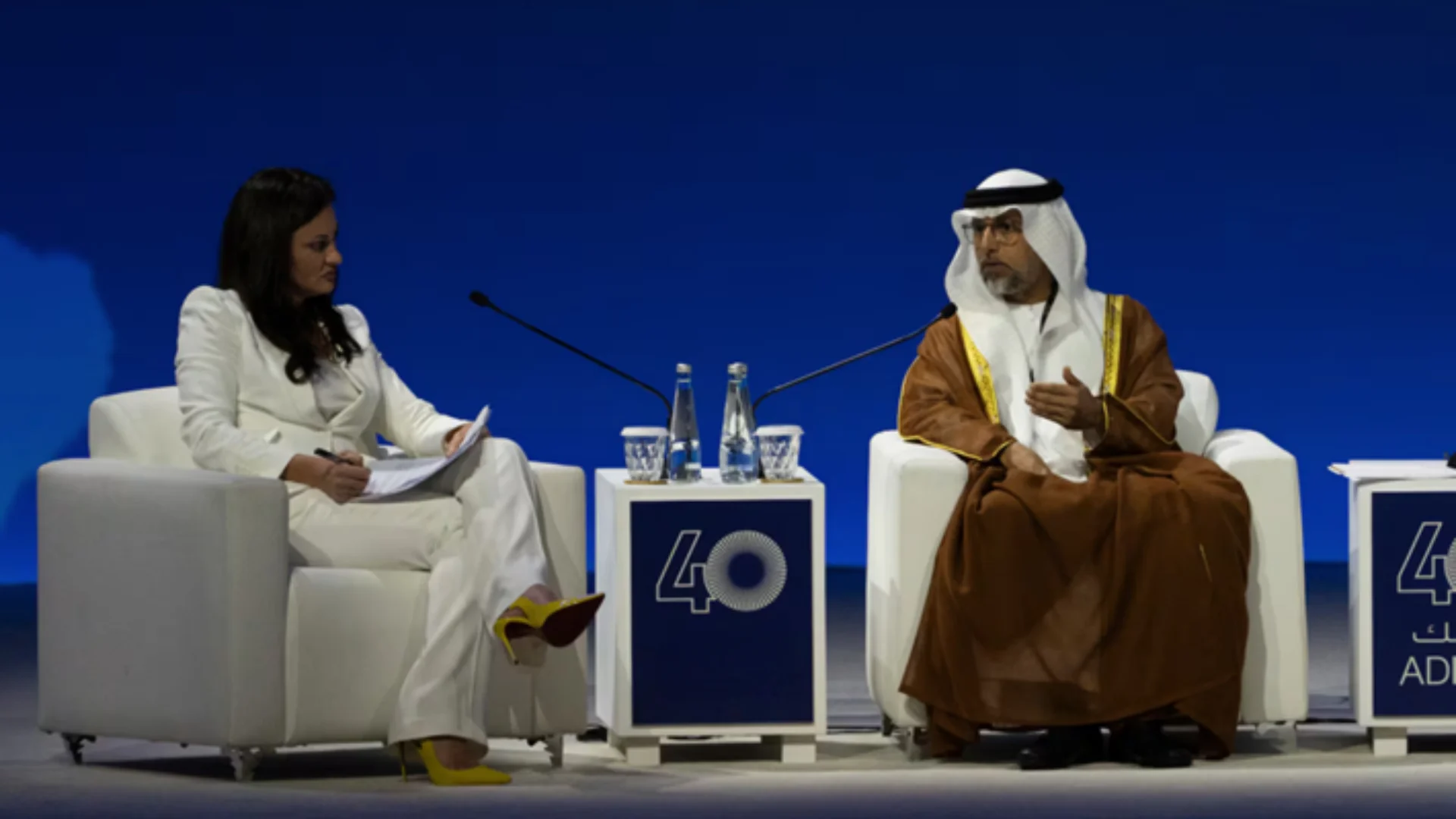
“Our efforts to diversify the energy mix and increase reliance on clean energy sources align with our goal of reducing carbon intensity in our oil and gas operations by an additional 25% over the next decade,” Al Mazrouei said. He emphasized that the country is working to balance current global energy needs with future-focused sustainability. “We continue to meet today’s global energy needs while heavily investing in clean energy systems for the future. We already have significant investments in clean energy projects in operation and others under development.”
The scale of the UAE’s clean energy agenda comes amid a broader regional acceleration in renewable adoption. According to the International Energy Agency (IEA), Middle East and North African countries are on track to triple renewable energy capacity by 2030, largely driven by large-scale solar photovoltaic expansion. This growth positions the region as a critical contributor to global renewable supply and to efforts to stabilize energy markets during the transition.
Global momentum has also intensified following COP28, hosted in Dubai, where governments and industry leaders renewed calls to boost renewable energy capacity to 11,000GW by 2030 in order to keep the Paris Agreement’s 1.5°C target within reach. The UAE’s commitment to substantial domestic investment underscores how seriously it is aligning national priorities with international climate goals, while also supporting economic diversification and long-term resilience.
These developments demonstrate the UAE’s intent to play a central role in shaping the world’s clean energy future, balancing its role as a traditional energy supplier with its growing leadership in renewables. For international stakeholders, they also highlight the importance of platforms that convene cross-sector dialogue. That is why the Electric Vehicle Innovation Summit (EVIS) and EcoMobility Global (EMG)—taking place on 13–14 October 2026 at ADNEC, Abu Dhabi—are vital. By bringing together global leaders in clean transport, sustainable mobility, and advanced energy systems, EVIS and EMG provide the platform where investment strategies like this can be explored, debated, and translated into partnerships driving progress worldwide.
Source: https://esgnews.com/uae-to-commit-54-billion-for-sustainable-energy-investment-by-2030/